Cincinnati, OH
After nearly sixty years of painting and running into various issues with the whole materials/substrate aspect of painting: humidity loosened linen, twisting stretchers after ten years, cracking paint/varnish films, I began intensive research as to how the old masters made the surfaces they painted on which have lasted 500 plus years. Working with staff librarians at the Cincinnati Art Museum Reference Library, I eventually found and borrowed a copy of Looking through Paintings: The Study of Painting Techniques and Materials in Support of Art Historical Research by Erma Hermens. Within it were several PhD thesis: I had found my answers.
I began the arduous process of learning to make sealed solid MDO exterior grade panels, linen lined, and then with a 32” spackle blade skimmed multiple smooth coats of lead white oil ground. Some five months later, I had my first set of 20 panels. In addition to ultimate stability, I found a new and wonderful, wondrous source of light: the lead white ground.
During the months in the library, I read verbatim accounts of James Whistler’s painting instructions to students in HIS art school which he opened two years before his death. I read them and learned much and began to use his methods.
Simultaneously I read Henry Bowie’s 1911 On the Laws of Japanese Painting. This opened my eyes to a whole new sky, a sky my painter’s soul had known was out there but had never found, much less painted.
Integrating much of the Japanese principles: a monochromatic format to intensify a metaphysical vibe, esoragoto, and much meditation with the more tangible, Whistler lessons: I found myself in a whole new world with a whole new set of tools.
I began to mix prismatic tones and create a Notan using only subtractive methods. Once the Notan was in place, I could then create Forms, Distance (space), and Light with additional delicate subtle manipulations of the opacity of the film, allowing more and less light as needed.
The result is an authentic voice of ArtSpirit that communicates soul to soul, spirit to spirit. I understand a successful painting to be a harmonious Notan, with forms, distance, and light. These are what the soul desires from artwork, especially painting.
As I travelled the country showing these, the emotional responses were surprising as well as deeply gratifying. The most common comment was “I have never seen anything like these before.” I feel this recognition to challenge the familiar and the known is very important and that originality is a natural by-product of the honest explorer who has met his authentic voice in time.
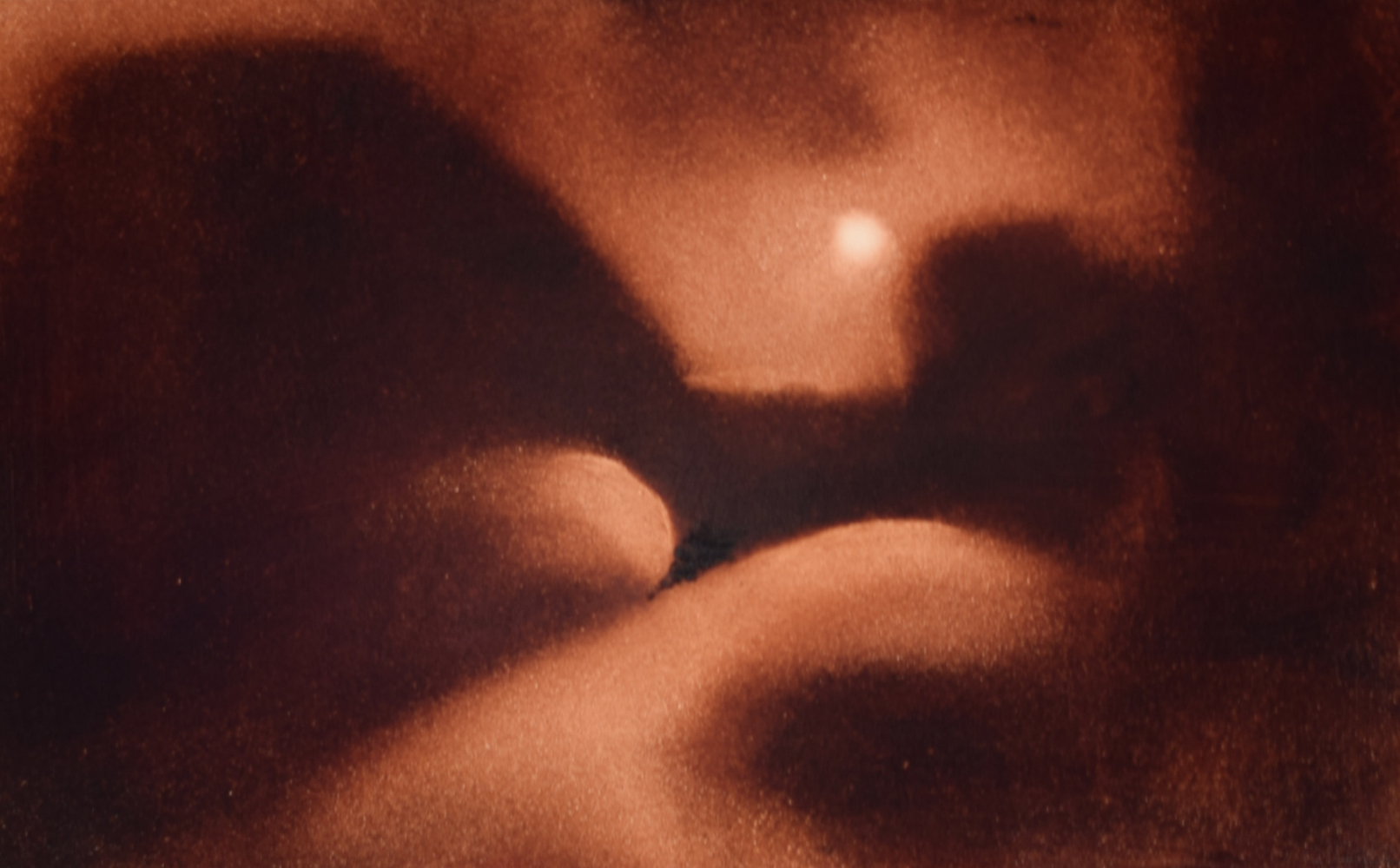
The Chosen One featured on the application is a fine example. It is esoragoto, meaning a pipe dream, not a copied or imitated image; it is birthed in meditation, inspired by hours of study in nature. The bright sunlight is the reflected light on the lead white oil ground. It is not enhanced. The light is opaque and the shadows are transparent thus allowing a sense of not only depth but also infused light within the forms.
What does this all mean to me? Everything. It means I am reflecting Love in my own understanding of Love and inviting a conversation; perhaps we are friends.
I know we will heal the world together, we are One.